Shopify Store
Hartford Golf Club
An online pro shop for a members' golf club in Hartford, Oregon, selling apparel, gear, lesson packages and gift cards on a customized Shopify theme.
- Course
- Online Stores (FWDP 3700)
- Platform
- Shopify
- Theme
- Atelier, customized as "Golf-telier"
- Typefaces
- DM Serif Display, Baskervville, Cormorant
Overview
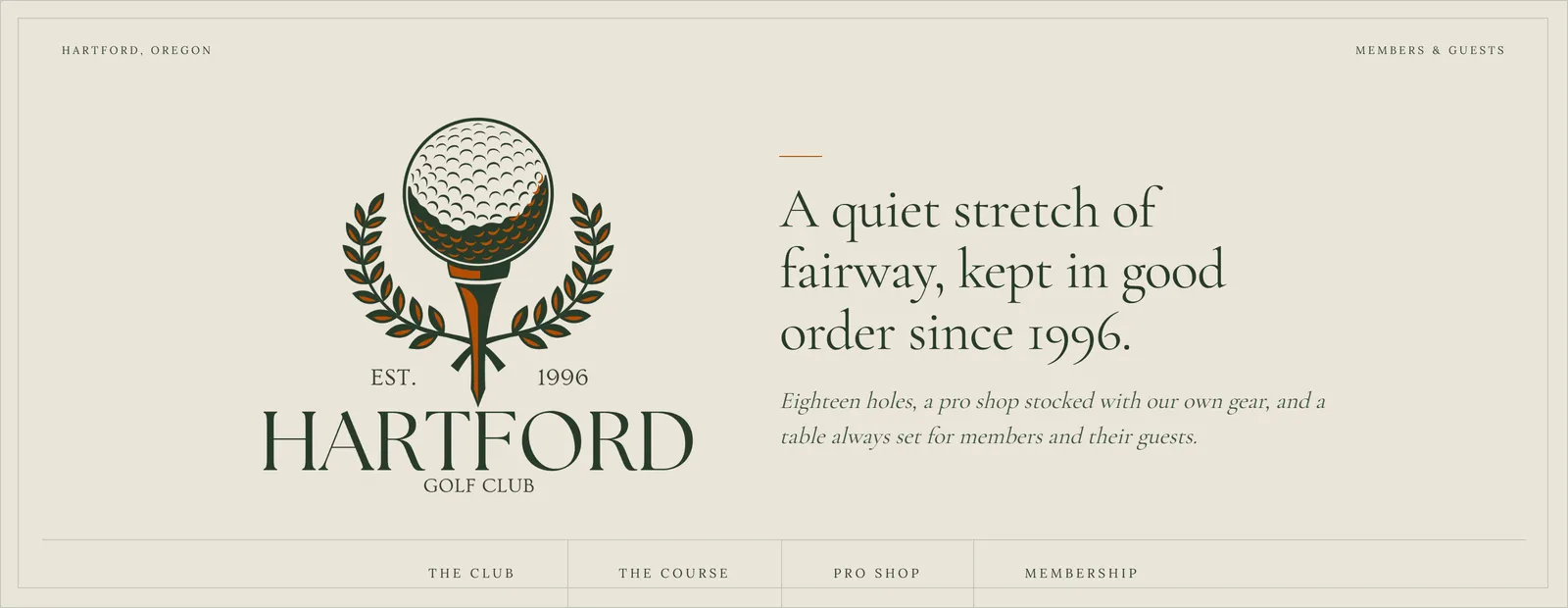
Hartford Golf Club is a Shopify store for a members' club "kept in good order since 1996." It sells branded apparel and equipment from the pro shop, plus lesson packages and gift cards, all wrapped in a heritage look built around a golf-ball crest.
The store runs on Shopify's Atelier theme, which I customized and renamed "Golf-telier": new typography, the club's colour palette, and a homepage laid out as a hero, collection links, a featured product, a product list, a second hero and blog posts.
The brand
A golf ball on a tee, framed by laurels, carries the whole identity. It works in three colourways so it can sit on the store, on cards and on merchandise.
-
Burnt orange
#B44E05 -
Cream
#EAE5D9 -
Forest green
#24382A
- HartfordDM Serif Display · headings
- Kept in good orderBaskervville · body
- Since 1996Cormorant · accents



The pro shop
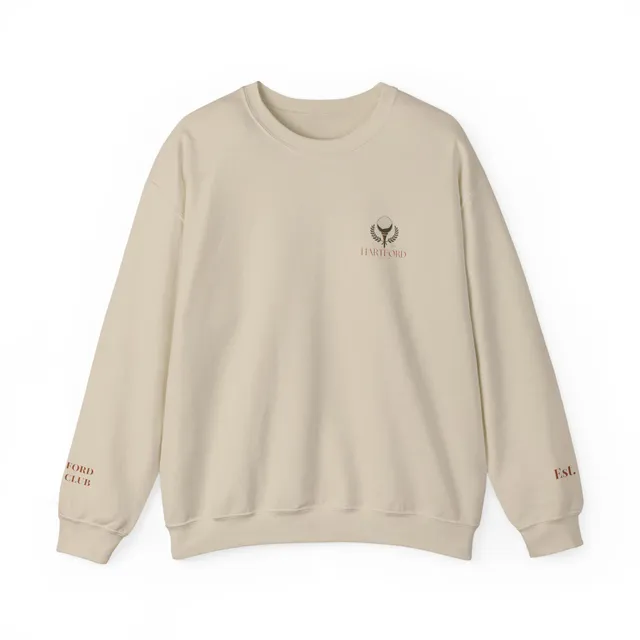
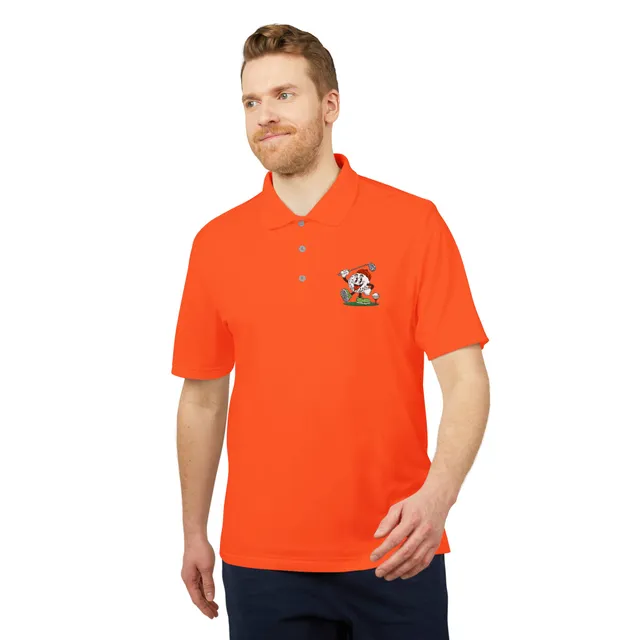
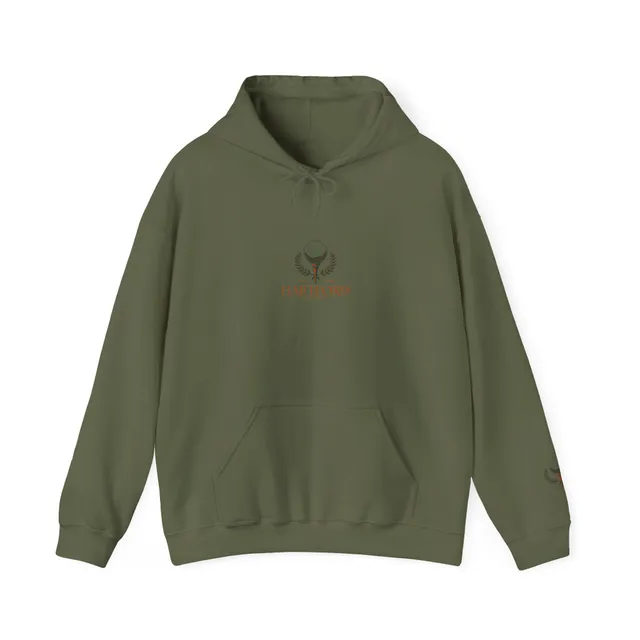
Crested apparel and gear make up the catalogue: crewnecks, polos and hoodies, plus golf balls and a stand bag, each shown on clean product shots and lifestyle images.
-
 Crewneck, lifestyle
-
 Crewneck
-
 Polo
-
 Hoodie
-
 Golf ball
-
 Stand bag
Gift & lesson cards
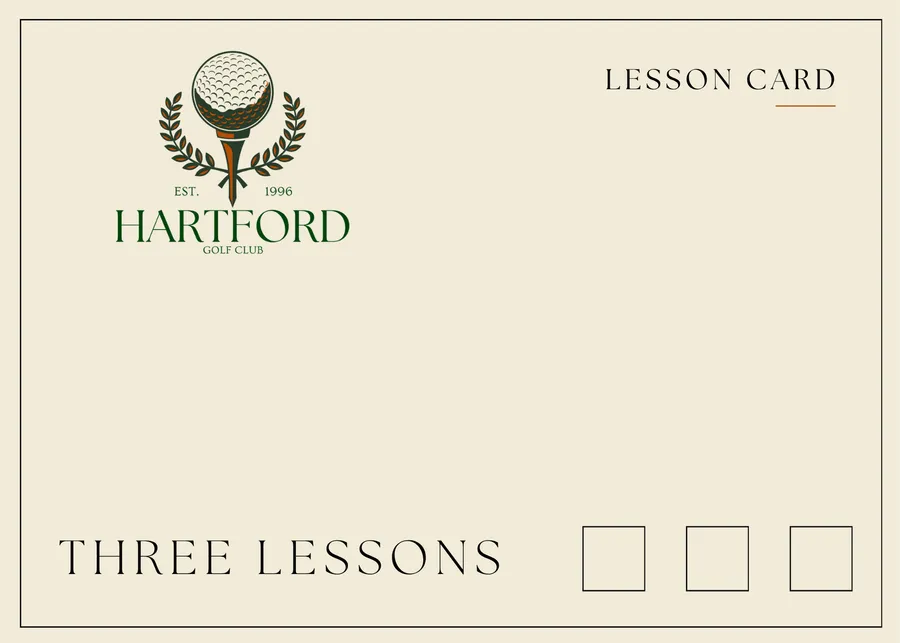
Gift cards in set values and a punch-style card for a three-lesson package, designed to match the crest and colourways.


Promotions
Two promotional pieces extend the brand beyond the store: a playful lessons poster with a golf-ball mascot, and a course guide.


What I learned
This project was my first full Shopify store build. I set up products and metafields, pages and posts, apps, store settings, discounts and checkouts, the contact form and a testimonials section, and customized the theme to fit the club's branding. It showed me how much of a working e-commerce site comes from configuration and content structure, not just code. Metafields in particular showed me how to store extra product information in a structured way so the theme can display it, instead of hard-coding it into descriptions.
The one requirement I missed was on the search results page, which was supposed to feature the three best-selling products. Mine displayed all products instead. It's a good example of the gap between something working and something meeting the spec: the section rednered without errors, but I didn't filter by best-seller or limit the product count. Next time I'll check each output against the written requirement, not just confirm the page loads.
The instructor encouraged me to go deeper into Liquid and to try Shopify's GitHub-based development workflow, since many agencies build client stores that way. That's the next step I plan to take: moving from customizing through the theme editor to editing and version-controolling theme code directly.